Howdybun Font for Handmade Products and Crafty Branding
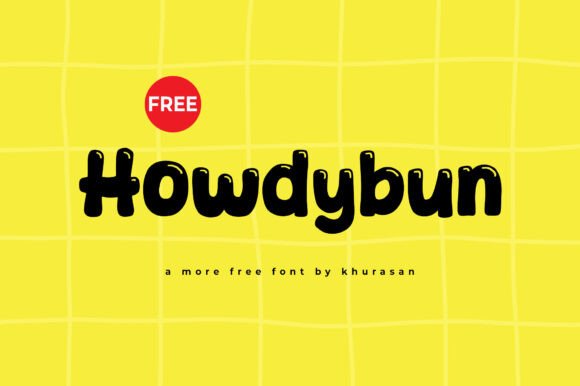
I remember the exact moment I first tested Howdybun on a candle label mockup. The design was simple—a small kraft paper tag with a single word—but the moment I typed it in, something clicked. Howdybun is a modern and cute display font that brought exactly the warmth and personality I had been searching for. For anyone making products by hand, whether you sell on Etsy, at local markets, or through your own shop, finding the right typeface can completely change how a label, card, or tag feels. Howdybun delivers that charming, approachable look without trying too hard.
Howdybun Display Font for Candle Labels and Small Shop Packaging
When I started designing labels for a small batch of soy candles, I wanted the text to feel friendly and inviting, not stiff or corporate. Howdybun is a modern and cute display font that fits that brief perfectly. Its rounded letters and gentle curves give each word a soft, handmade quality that plain fonts just cannot match. I used it for scent names like Vanilla Bean and Fresh Linen, and the font made even simple two-word labels feel polished and intentional. For product packaging, especially smaller items like candles, soaps, and bath salts, a display font with character helps your brand stand out on a crowded shelf. Howdybun works beautifully on kraft paper tags, clear stickers, and even direct-to-container vinyl. The key is keeping the text short—single words or short phrases—so the playful letterforms have room to breathe.
Using Howdybun for Wedding Invitations and Greeting Card Designs
Wedding invitations and greeting cards live and die by their typography. I recently designed a set of birthday party invitations and decided to use Howdybun for the main headline. The phrase Let's Celebrate came out with exactly the right amount of cheerfulness and elegance. Howdybun is a modern and cute display font, which makes it a natural choice for occasion-based stationery where you want the text to feel celebratory but not overly formal. For wedding invites, I would use Howdybun for the couple's names or a short welcome line, then pair it with a simple serif or sans serif for the details. The contrast keeps the design readable while still giving the invitation a custom, hand-lettered feel. Greeting cards for birthdays, anniversaries, or thank-you notes also benefit from Howdybun's friendly personality—it makes the sentiment feel personal, not mass-produced.
Howdybun for Printable Wall Art and Digital Template Downloads
Selling printable wall art and digital templates is one of the most popular ways to use a font like Howdybun. I create simple typographic prints for nurseries, kitchens, and home offices, and Howdybun is a modern and cute display font that works perfectly for short quotes and single-word designs. A print with the word Gather or Home in Howdybun feels warm and current, the kind of thing people want to frame and hang. Because it is a display font, it shines at larger sizes, which is ideal for 8x10 or 11x14 prints. For digital templates like social media quotes, planner covers, or blog headers, Howdybun adds a handmade touch that sets your designs apart from generic stock templates. Buyers looking for something unique and personal will appreciate the care that goes into choosing a typeface that feels original.
Pairing Howdybun with a Clean Sans Serif for Shop Branding
No font works entirely alone, and learning how to pair Howdybun with other typefaces has improved my shop branding significantly. Howdybun is a modern and cute display font, so it naturally takes the spotlight. For body text, product descriptions, or finer print on labels, I like to use a clean sans serif like Montserrat or Lato. The contrast between the playful display font and the straightforward sans serif creates visual hierarchy. Customers’ eyes go straight to the Howdybun headline, then read the supporting text without confusion. This pairing works well for logo designs, shop banners, product tags, and even website headers. If you prefer a softer look, a simple handwritten font also complements Howdybun nicely, especially for boutique packaging or gift tags. The goal is to let Howdybun lead while keeping the overall design balanced and readable.
Howdybun Readability on Stickers, Tags, and Cutting Machine Projects
One concern I had when I first started using Howdybun was how it would hold up on smaller items like stickers and tags. After testing it on several cutting machine projects with my Cricut, I can say that Howdybun is a modern and cute display font that works well when you follow a few guidelines. For small stickers—anything under two inches—stick to single words or very short phrases. The font's rounded shapes cut cleanly on adhesive vinyl and transfer tape, and I had no issues with thin lines or fragile details. For product tags, I recommend using a font size of at least 18 to 24 points so the letterforms stay crisp. Howdybun also works wonderfully for monogram stickers, thank-you tags, and small logo decals. If you are designing for a cutting machine, always test a sample cut first to make sure the font's details match your material and blade settings. In my experience, Howdybun performs reliably on vinyl, cardstock, and even heat transfer materials for mugs and tote bags.
Checking Howdybun Font Licensing for Commercial Products and Printables
Before you start selling products that feature Howdybun, it is essential to understand the licensing terms. Howdybun is a modern and cute display font, and like many high-quality freebies, it may come with specific restrictions for commercial use. When I use a font in my shop, I always check whether the license covers physical products like candles, mugs, and shirts, as well as digital products like printables and templates. Some fonts allow unlimited commercial use, while others require a separate license for selling merchandise or digital downloads. Make sure you read the included documentation or the font's product page carefully. Look for information about the number of allowed sales, whether you can embed the font in digital templates, and if credit is required. I keep a simple spreadsheet of all the fonts I use commercially, noting the license type and any limitations. This small step protects your shop and ensures you can keep using Howdybun in your designs without worry. The font also comes with standard file formats like OTF and TTF, so it works across design software, cutting machine programs, and print setups easily. Taking a few minutes to verify licensing saves you from headaches later and lets you focus on creating lovely products your customers will love.