Student Camping Font for Editorial Design
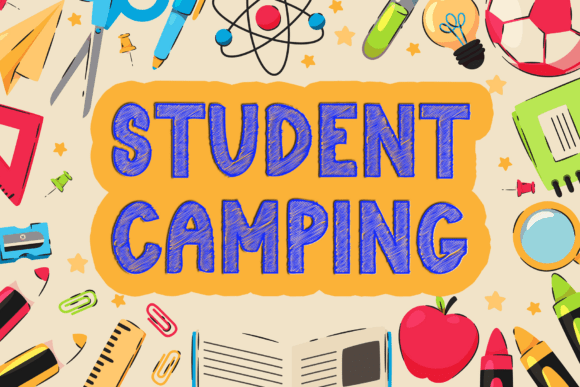
Student Camping is a display font that brings a soft, unique touch to any design project. Its distinctive strokes create a special character, making it ideal for editorial layouts, branding, and visual storytelling. Whether you're working on a blog, magazine, or digital publication, this font adds personality and elegance to your content.
Student Camping for Blog Headers and Magazine Covers
Student Camping is a powerful tool for creating eye-catching blog headers and magazine covers. Its elegant curves and subtle details make it perfect for headlines that demand attention while maintaining a sense of sophistication. When used as a header font, it sets the tone for the entire piece, guiding readers through the content with visual clarity and style.
For magazine covers, Student Camping can serve as the primary title font, adding a refined aesthetic that complements the overall design. Pairing it with a clean sans serif font for subheadings ensures readability without sacrificing visual interest. This combination works well in both print and digital formats, offering versatility across platforms.
Student Camping for Ebook Titles and Digital Publications
When designing ebook titles, Student Camping offers a striking alternative to standard fonts. Its soft, handcrafted feel makes it ideal for lifestyle, creative, or educational content where a personal touch is essential. Whether you're publishing a cookbook, self-help guide, or art journal, this font helps establish a strong brand identity.
In digital publications such as newsletters or online magazines, Student Camping can be used for section headings, pull quotes, or featured articles. Its visual appeal enhances the reading experience by breaking up dense text and drawing attention to key points. This font also pairs well with modern typography, allowing for seamless integration into responsive layouts.
Student Camping for Quote Graphics and Social Media Content
Student Camping shines when used in quote graphics and social media content. Its soft strokes and distinctive shape make it an excellent choice for motivational quotes, inspirational messages, and visual content that requires a humanized touch. Whether you're designing Instagram posts, Facebook banners, or Pinterest pins, this font adds a personal and artistic flair.
For social media, Student Camping can be used as a background text or overlay on images, enhancing the visual storytelling aspect of your posts. It works particularly well with minimalist designs, where the font becomes the focal point. This makes it a valuable asset for creators looking to stand out in a crowded digital space.
Student Camping for Printable Guides and Lead Magnets
Student Camping is a great choice for printable guides, worksheets, and lead magnets. Its elegant appearance elevates the perceived value of your content, making it more appealing to readers. Whether you're creating a free downloadable checklist, a printable planner, or a resource guide, this font adds a professional and cohesive look.
When used in printable materials, Student Camping maintains its clarity and readability across different formats. It works well in both black and white and color, ensuring that your designs remain visually engaging regardless of the output method. This flexibility makes it a practical option for designers who need a reliable font for multiple projects.
Student Camping for Branding and Publication Identity
Student Camping can play a key role in building a consistent brand identity across all content. By using it for headings, logos, and promotional materials, you create a unified visual language that resonates with your audience. This consistency helps reinforce your brand's personality and makes your work more recognizable.
For publication branding, Student Camping can be used as a signature font for newsletters, zines, or digital magazines. Its unique character allows for creative applications, such as custom headers, section dividers, or accent typography. This makes it a versatile choice for designers who want to add a distinct touch to their editorial work.
Student Camping for Reader Engagement and Visual Hierarchy
Student Camping supports reader engagement by creating a clear visual hierarchy. Its bold yet delicate structure makes it ideal for headings, subheadings, and callout text. This helps guide readers through complex content while maintaining an aesthetically pleasing layout.
When used in conjunction with a readable serif or sans serif font for body text, Student Camping enhances the overall readability of your content. This pairing ensures that your design remains accessible across different devices and screen sizes, providing a seamless reading experience for all users.
Student Camping for Commercial Use and Licensing
For commercial use, Student Camping offers a range of licensing options that allow for flexibility in different projects. Whether you're creating ebooks, templates, printables, or client work, this font provides a premium look that aligns with professional standards. Always check the licensing terms to ensure compliance with your specific use case.
When incorporating Student Camping into paid newsletters, branded content, or digital downloads, it's important to consider how the font will appear in various formats. Testing it in PDFs, web pages, and mobile layouts ensures that it retains its visual integrity and readability across all platforms.
Student Camping for Font Pairing and Editorial Design
Pairing Student Camping with other fonts can enhance its effectiveness in editorial design. A complementary serif font for body text, for example, creates a balanced contrast that improves readability without compromising style. Alternatively, pairing it with a clean sans serif font for captions or navigation elements keeps the design modern and functional.
For handwritten or script fonts, Student Camping serves as an excellent counterpoint, offering a structured yet expressive alternative. This combination works well in creative projects where a mix of styles adds depth and visual interest. Experimenting with different pairings allows designers to find the perfect balance for their specific needs.